Are you targeting “keywords” that look good on paper, yet your videos never earn meaningful search views?
This guide gives you a repeatable method to find video-first queries, read the intent behind them, and turn them into titles, thumbnails, descriptions, and chapters that earn clicks and hold attention.
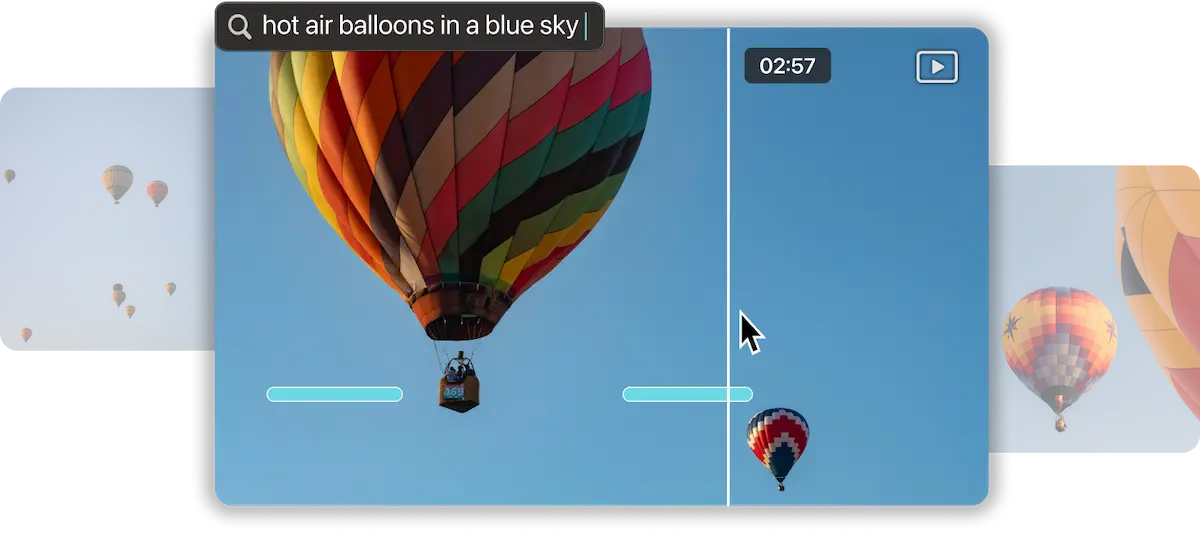
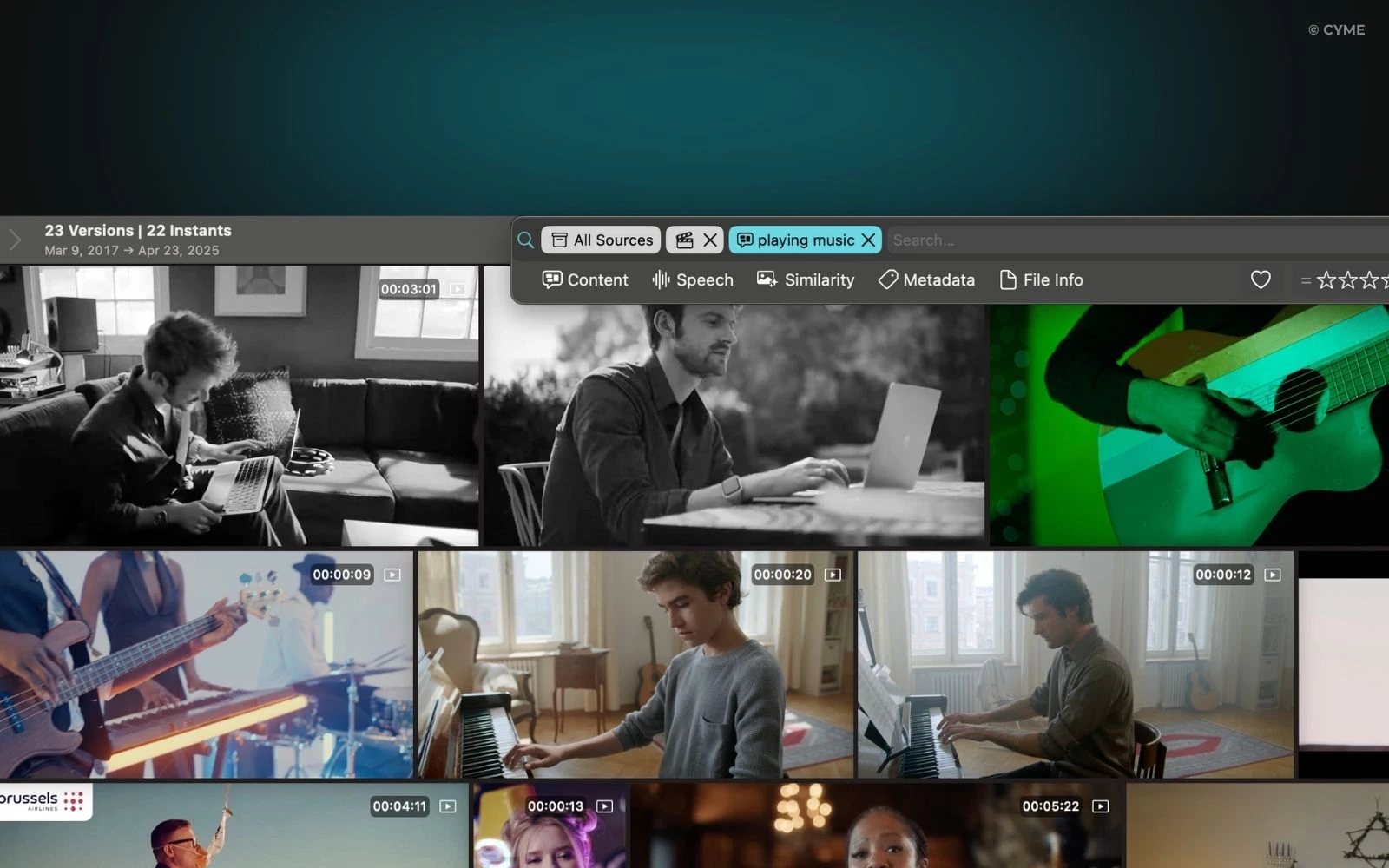
In the United States alone, YouTube’s ad audience is reported at roughly two hundred fifty-four million users in late twenty twenty-five, which means demand exists; your job is to match it with the right promise and proof for the query in front of you via video frame search and disciplined keyword mapping using the same data management habits enterprise organizations rely on for scale ( DataReportal ).
The essentials in under a minute
Pick queries that imply watching, not just reading, then expand them with platform autosuggest and real user problems.
Classify intent first, then choose the format that proves the promise fastest on video (demo, comparison, tutorial, or entertainment).
Cluster related queries into a topic engine so each upload supports the next and avoids cannibalization.
Ship with metadata that matches the query: benefit-led title, aligned thumbnail, chaptered description, and transcript coverage.
To build a system, you need clean inputs before you collect anything.
Prerequisites to target video search keywords without wasted effort
Tools and access you need (and what each one is for)
You do not need expensive software to apply keyword search tips, but you do need the right access points. Start with native analytics wherever you publish. Those surfaces show which terms your audience actually uses, which matters more than generic “keyword difficulty.” Add a simple spreadsheet for tracking intent, format, and what you promised on the thumbnail versus what you delivered in the first moments.
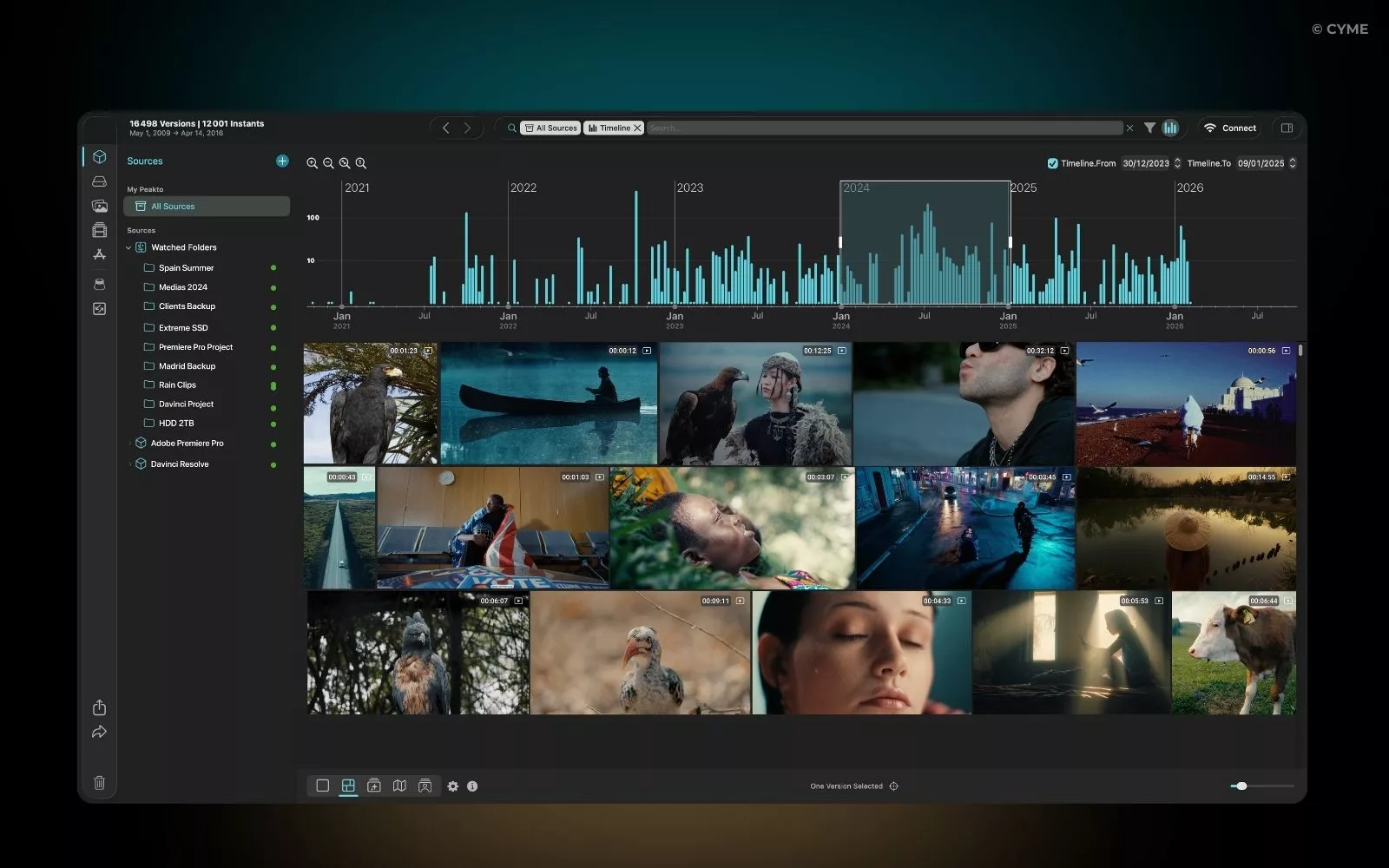
If you operate across multiple channels, treat your research like content operations: one source of truth, one naming convention, and one owner. That is how marketers can keep velocity without losing the thread when a video underperforms. It is also how organizations avoid duplicated work when multiple teams chase the same keyword instance.
| Access point | What you extract | Why it matters for video search |
|---|---|---|
| Platform autosuggest | Real phrasing, modifiers, and adjacent questions | Captures “how people ask,” which maps to titles and spoken hooks |
| Search results pages | Formats winning the query (shorts, long tutorials, comparisons) | Reveals the default “expected video” for that intent |
| Creator analytics | Queries, impressions, click behavior, retention signals | Shows whether your packaging matches the promise |
| Comments and community posts | Unfiltered questions and objections | Generates long-tail topics marketing teams can defend with proof |
| Customer-facing teams | Recurring “why” questions and setup failures | Creates tutorial demand tied to service outcomes |
Treat keyword research as a repeatable workflow, not a one-off brainstorm.
Use platform-native signals first; they reflect how recommendation engines interpret viewer satisfaction.
Centralize your list early so you can scale content without duplicating work.
Setup time, difficulty, and a technical checklist before you start
Plan a focused work session to set your baseline once, then keep the process lightweight each week. The difficulty is “moderate” because the hard part is not finding ideas; it is staying consistent in how you label intent, choose a format, and judge whether the video fulfilled the query.
Before collecting queries, make sure your channel basics do not sabotage you. If viewers bounce early, your metadata work will not rescue the video. Your hook, pacing, and clarity must match the intent you target.
- Confirm you can access query-level discovery data inside your analytics.
- Decide one “success definition” per intent type (tutorial, comparison, informational, entertainment).
- Standardize thumbnails and title style so you can compare performance fairly.
- Ensure transcripts or captions are available for every upload you want to rank.
- Create a single spreadsheet with columns for intent, format, promise, proof, and post-publish notes.
If you cannot measure query-level performance, you are guessing, not optimizing.
Consistency in packaging makes experiments readable and improves learning speed.
Transcripts are not optional if you want semantic coverage and durable ranking.
Measurement guardrails plus naming and storage rules that scale
Set your measurement frame before you chase new keywords. Otherwise, you will “optimize” for vanity signals. For video search, the two questions that matter are simple: did you earn the click for the query, and did you keep watch time long enough to prove relevance?
YouTube explicitly describes using watch time for a particular video and a particular query as a relevance signal, and it also emphasizes assessing channel-level expertise, authoritativeness, and trustworthiness ( YouTube Help ). In practice, this means your strategy should connect the query to a clear promise, then deliver proof quickly so the viewer stays.
To keep data management clean, store one master list and one archive. Use names that encode platform, theme, intent, and primary keyword. Avoid personal naming styles. In enterprise environments, naming chaos is why teams lose weeks of progress when staff rotates. Make your system resilient.
Finally, store the “why” alongside the “what.” For each query, write one sentence explaining what the viewer expects to see, not just what they want to know. That sentence becomes your script spine and your packaging check.
Define success in terms of click plus satisfaction for the query, not generic views.
Name and store research like an asset so it survives team growth and turnover.
Write the viewer expectation in plain language; it becomes your script backbone.
Once the foundation is in place, you can start collecting queries that are actually “video-shaped.”
Start applying keyword search tips that work for video discovery
Start with seed queries that imply watching (not reading)
Most “keyword lists” fail because they are built for articles, not video. Video queries often contain an implied request for demonstration, a visual outcome, or a lived opinion. Your seed list should reflect that. Begin with verbs that demand action on screen: fix, build, compare, set up, test, review, troubleshoot, walk through.
Then, add modifiers that reveal decision pressure. “Best,” “vs,” and “review” suggest comparison and credibility. “How to” suggests step order and visible checkpoints. “Beginner” suggests slower pacing and definition-first structure. “Advanced” suggests fewer basics and more edge cases.
Use these patterns to generate seeds quickly:
- Problem to outcome: “fix” plus the symptom plus the desired result.
- Tool to result: product or method plus the job-to-be-done.
- Choice to decision: option A vs option B plus the deciding constraint.
- Trust to proof: “review” plus “worth it” plus your buyer context.
Keep your first pass broad. You will refine after you see what formats win the results page. This is where marketers can avoid overfitting to one platform’s culture and still keep relevance across search engines that increasingly surface video answers.
Start from verbs and modifiers that demand a visual proof.
Seed queries should encode intent cues like comparison, tutorial steps, or trust validation.
Broad seeds are fine; the next step is expansion with real platform language.
Expand using autosuggest, related searches, and “problem-based” long tails
Autosuggest is the fastest mirror of real demand because it reflects popular phrasing, not your internal jargon. Pull suggestions from the platform where you publish first, then cross-check on adjacent platforms to spot wording differences. One phrase can dominate on one app while a synonym dominates elsewhere.
Next, open the results page for each candidate query and scan for repeated concepts in titles and thumbnails. Those repeats are not “copy me” signals; they are “viewer expectation” signals. If every top result includes the same comparison frame, your video must satisfy that frame or offer a better one.
Now generate long-tail variants from user problems. This is where the best keyword research happens. Long tails often reveal:
- Constraints: budget, time, device, region, or compatibility.
- Stages: first-time setup versus optimization versus troubleshooting.
- Fear: “mistakes,” “avoid,” “safe,” “scam,” “does it still work.”
- Outcome proof: “before and after,” “results,” “test,” “case study.”
When you write these variants, keep them in the viewer’s words. Avoid turning them into corporate phrasing. The goal is to match how people search, then translate that into a title and hook that feels native, not engineered.
Autosuggest gives you phrasing; results pages give you expectations.
Long tails come from constraints, stages, fears, and proof requests.
Keep viewer language intact so your title and opening seconds feel natural.
Capture context: language, region, device, and the moment of search
Two people can type the same keyword and want different videos. Context decides whether the viewer needs education, a quick fix, or reassurance. Capture context fields alongside each query so your creative decisions become obvious instead of debated.
At minimum, store:
- Language and region: affects terms, examples, and legal or product availability references.
- Device context: mobile viewers tolerate less preamble and need larger on-screen labels.
- Viewer stage: beginner, returning user, switching tools, or evaluating purchase.
- Emotional tone: urgent fix, skeptical comparison, curiosity, or entertainment.
This is also where “experience search” matters. Viewers increasingly search for the experience of using something, not just the definition. They want to see the workflow, the friction, and the real tradeoffs. If you capture that early, you will write better scripts and choose better thumbnails that signal lived proof, not abstract claims.
By the end of this step, you should have a list that is not just bigger, but sharper. Each query should already hint at what must appear on screen for the viewer to feel satisfied.
Context fields reduce creative debate and improve consistency across uploads.
Device and viewer stage should change your pacing and your on-screen design.
Capture “experience search” cues so you can show, not tell, the answer.
With a solid list, the next mistake to avoid is treating every query as the same type of intent.
Qualify the intent behind each video query so you pick the right format
Segment intent into types that matter for video
Intent classification is the fastest way to turn keywords into an executable plan. For video, four buckets cover most search behavior:
- Informational : the viewer wants an explanation or a mental model.
- Comparative : the viewer wants a decision and the reasons behind it.
- Tutorial : the viewer wants steps and visible checkpoints.
- Entertainment : the viewer wants a feeling, story, or spectacle tied to the topic.
These buckets change what “good” looks like. A tutorial needs clear steps and a fast start. A comparison needs criteria upfront and a verdict. Entertainment still needs relevance, but it earns satisfaction through narrative, not instructions.
Write the intent type next to every query. Then add a one-line “viewer success condition.” For a tutorial, success might be “I can replicate the result.” For comparative, success might be “I know which option fits my constraint.” This forces you to design the video to deliver the outcome, not just include the keyword.
Intent segmentation also helps you avoid mismatches that tank retention. If the viewer expects a tutorial and you open with a long opinion monologue, they leave. The algorithm sees that as dissatisfaction for the query, regardless of your production quality.
Four intent buckets are enough to make format decisions fast.
Add a “viewer success condition” so scripts are built to satisfy the query.
Intent mismatch is a common cause of early exits and weak search performance.
Align intent to format, pacing, and the visual proof you must show
Once intent is labeled, choose a format that makes the proof unavoidable. For video search, “proof” can be a live demonstration, a side-by-side comparison, a before-and-after, or a real workflow with mistakes included.
Flow: Intent type best-fit format required on-screen elements packaging angle (title and thumbnails) retention risks to remove early
| Intent | Best-fit format | On-screen elements to include | Packaging angle |
|---|---|---|---|
| Tutorial | Step-by-step walkthrough | Checklist, checkpoints, labeled screens, recap | Result plus steps (“Do X in one session”) |
| Comparative | Criteria-led comparison | Scorecard, tradeoffs, use-case examples | Decision framing (“X vs Y for this constraint”) |
| Informational | Explainer with visuals | Simple diagrams, definitions, concrete scenarios | Clarity framing (“Understand X without jargon”) |
| Entertainment | Story, challenge, reaction | Character, stakes, pacing beats, payoff | Curiosity framing (“What happens if…”) |
Use this table to decide pacing. Tutorials need early steps. Comparisons need criteria early. Explainers need the simplest definition first. Entertainment needs the hook beat immediately, then relevance woven in.
When in doubt, prioritize queries that benefit from demonstration. That is the unfair advantage video has over text, and it is why video marketing can win attention even when a written answer already exists.
Pick a format that makes proof visible, not implied.
Package the video to match the intent frame viewers already expect.
Demonstration-first queries are often the easiest to satisfy on video.
Define a single promise per primary query (and defend it with structure)
One query, one promise. That rule protects your clarity. A promise is not a topic; it is an outcome. “Learn about” is not a promise. “Choose the right option for your constraint” is. “Fix the issue without breaking anything else” is.
To define the promise, write three lines:
- Viewer situation : what they are dealing with right now.
- Desired outcome : what they want to be true after watching.
- Proof method : what you will show so they believe you.
Then build the script around that proof method. If the proof is a demo, get to the demo fast. If the proof is a comparison, show criteria early and keep returning to them. If the proof is your experience, state your constraints and context so the viewer can decide whether you are relevant.
This is also how you keep secondary keywords from turning into noise. Secondary terms should support the promise, not compete with it. If you cannot explain why a term appears in the video, remove it. Clean focus usually outperforms forced coverage.
A promise is an outcome plus proof, not a vague topic label.
Write situation, outcome, and proof method before scripting.
Secondary terms should support the promise or they will dilute satisfaction.
Now that intent and promises are clear, you can judge whether a query is worth pursuing.
Evaluate query value and difficulty before you invest production time
Estimate demand using platform signals and seasonality patterns
Demand estimation for video is not only about volume; it is about the likelihood that viewers prefer a video answer. Start with platform signals you can see without guesswork: autosuggest presence, repeated phrasing across related suggestions, and recurring themes in comments. If a query keeps appearing in your audience’s questions, treat that as demand.
Seasonality matters, but you can handle it without forecasting spreadsheets. Ask: does this topic spike around events, releases, deadlines, or lifestyle cycles? If yes, your timing and thumbnail framing should reflect urgency and recency. If no, you are building evergreen search traffic, which rewards clarity and structure more than novelty.
Also, consider business adoption as a proxy for how crowded the landscape may be. Wyzowl reports that ninety-one percent of businesses use video as a marketing tool, which means you are competing in a mature format where the basics are table stakes ( Wyzowl ). The upside is that audiences are trained to learn through video; the downside is that lazy tutorials and generic “top tips” rarely win.
Use that reality to your advantage: your demand estimator should reward specificity and visible proof, not broad topics.
Demand is strongest where viewers repeatedly ask the same question in the same words.
Seasonality is manageable when you frame urgency clearly in packaging.
In a mature market, specificity and proof beat generic “tips” content.
Measure competition by analyzing the top video results, not “keyword scores”
Video competition is best measured by what actually ranks and why. For each candidate query, open the top results and document what they share:
- Common promises in titles.
- Common visual elements in thumbnails.
- Typical structure: do they jump into steps or build context first?
- Recurring gaps: what do comments say is missing or confusing?
Then ask a brutal question: can you produce a more satisfying version with your current skills and time? If not, do not force it. Choose a narrower angle that you can win with visible clarity.
Competition analysis is also how you avoid the “same video again” trap. If every result looks identical, you need a differentiator that matters to the viewer, not a gimmick. Differentiators that work are usually constraint-based: a specific device, a specific workflow, a specific budget reality, or a specific audience segment.
Finally, observe how creators handle objections. The top videos often address the viewer’s fear quickly. If you include that early, you reduce bounce and earn trust, even if your channel is smaller.
Competition is what ranks today, not a third-party score.
Look for shared expectations and repeated gaps you can fill with proof.
Narrow angles win when broad results are saturated and repetitive.
Detect low-competition opportunities and set go or no-go rules
Low competition in video rarely means “no results.” It usually means results that fail to satisfy a meaningful subgroup. Your job is to identify the subgroup and build the video around its constraints.
High-leverage opportunity patterns include:
- Edge cases : the setup that breaks when one variable changes.
- Migration moments : switching tools, versions, or workflows.
- Tradeoff decisions : “fast versus correct,” “cheap versus reliable.”
- Trust recovery : “is this safe,” “is this legit,” “what I would do instead.”
Now create simple go or no-go rules for your channel. Avoid numeric thresholds and focus on evidence. A query is a “go” when you can state a unique promise, show proof on screen, and point to a real audience question you have seen more than once. A query is a “no-go” when the intent is ambiguous, the results page suggests multiple different expectations, or the answer is not improved by video demonstration.
These rules save time and reduce wasted uploads. They also help marketers can align stakeholders when someone insists on chasing a flashy keyword that will not convert into watch time.
Low competition often means “underserved subgroup,” not “empty query.”
Use constraint-based angles to differentiate without gimmicks.
Go or no-go rules protect your production time and your channel focus.
Once you know what to pursue, you need a structure that compounds rather than resets every upload.
Group and map themes into clusters that build authority over time
Create semantic clusters around one central theme
A cluster is a set of queries that share the same underlying job-to-be-done. Clusters matter because search and recommendation engines reward consistent satisfaction across related topics. When viewers watch more of your videos in the same theme, your channel appears more coherent, and each new upload has more internal context.
To create clusters, group queries by the problem they solve, not just shared words. Two queries can use different language and still belong together if they demand the same proof. For instance, “setup walkthrough” and “fix the most common mistake” belong together because they live in the same workflow stage.
Give each cluster a clear theme statement. Keep it narrow enough that your videos can reference each other naturally. If your theme becomes a broad category, you lose compounding because the viewer’s next question does not connect to your next video.
Clusters also improve your editorial planning. Instead of chasing random ideas, you build a sequence that mirrors how a viewer learns: definition, first success, troubleshooting, optimization, and comparisons.
Clusters are grouped by job-to-be-done, not by shared words only.
A tight cluster compounds learning and improves channel coherence.
Use clusters to mirror real learner journeys from first success to mastery.
Assign each cluster to one pillar video and supporting satellite videos
Each cluster needs one “pillar” video that answers the broadest version of the intent, plus satellites that handle specific sub-questions. The pillar earns discovery; the satellites earn depth and retention across the theme.
Design the pillar to be skimmable and structured. Use chapters that map to the most common sub-queries. Then design satellites to be narrowly satisfying. A satellite should be the video someone wants when they are stuck at one step or comparing one decision point.
To avoid cannibalization, do not publish multiple pillars for the same cluster unless your promise is clearly different. Two videos targeting the same broad promise usually split impressions and confuse the viewer. If you must publish multiple versions, make the distinction explicit in the title and thumbnail angle.
Think in systems: when a viewer finishes a pillar, what is the next natural question? That question should already exist as a satellite, or you should plan it. This turns your channel into a guided path, not a library of isolated content.
One pillar earns breadth; satellites earn depth and keep viewers in your ecosystem.
Make chapters align with sub-queries so search intent is satisfied quickly.
Avoid multiple pillars with identical promises to prevent self-competition.
A reusable cluster brief template plus a calendar you can actually follow
To run clusters consistently, you need a brief that makes decisions fast: what you will promise, what you will show, and how you will measure success. Use the template below as your standard operating document.
| Field | What to write | Why it matters |
|---|---|---|
| Cluster theme | One sentence: the job-to-be-done | Keeps content focused and prevents drift |
| Primary query | The broad intent phrased in viewer language | Defines the pillar promise |
| Secondary queries | Sub-questions, objections, comparisons | Becomes chapters and satellites |
| Intent and format | Tutorial, comparative, informational, entertainment | Prevents mismatched pacing |
| Proof plan | What you will show on screen | Improves retention and trust |
| Packaging notes | Title angle, thumbnail concept, hook line | Aligns click with satisfaction |
Turn this into a calendar by rotating clusters, not random topics. For example, publish a pillar when you need reach, then publish satellites to deepen authority and respond to what comments reveal. This approach also helps marketers coordinate across teams: one cluster can feed long-form, short clips, community posts, and even conference guides without duplicating effort.
Want to apply this method quickly? Start with one cluster, publish the pillar, then ship satellites that answer the top objections.
A cluster brief turns “ideas” into decisions you can execute repeatedly.
Rotate clusters to build authority instead of scattering uploads across unrelated themes.
Use the same cluster to fuel long-form, short clips, and community content.
Once your themes are mapped, you need to embed the keyword strategy into the actual assets viewers see.
Integrate keywords into video assets so search systems and viewers agree
Titles and thumbnails that match the query and earn the click
Your title is not a place to store keywords; it is a promise to a specific viewer. Put the primary keyword concept in natural language, then attach a benefit that resolves uncertainty. Avoid stuffing multiple intents. Search viewers scan fast.
Your thumbnails must do the same job as your title, but visually. They should clarify the promise, not repeat the exact words. Use contrast and one visual idea. If you add text, keep it minimal and readable on mobile. YouTube’s own guidance emphasizes avoiding overly complex designs and thinking about how thumbnails render across devices ( YouTube Help ).
Build alignment between query, title, and thumbnails by answering:
- What is the result the viewer wants to see?
- What is the risk they want to avoid?
- What proof can you hint at without clickbait?
Then make your hook match the packaging. If your thumbnail implies a demo, open with the demo. If your title implies a verdict, deliver criteria fast. Packaging mismatch is the fastest way to lose watch time and search momentum.
Titles are promises; thumbnails are visual proof cues, not decoration.
Keep thumbnails simple and readable on mobile to protect click behavior.
Match the hook to packaging so the viewer feels “this is exactly what I searched.”
Descriptions, chapters, and entity context that expand your coverage
Descriptions are not an afterthought. They help clarify context for both viewers and systems, and they give you space to include secondary concepts without bloating the title. Write the first lines as a crisp expansion of the promise, then move into structure.
Use chapters to cover sub-queries intentionally. Each chapter should answer one sub-question in the cluster. This turns one upload into a small library that satisfies multiple adjacent intents while still keeping one primary promise. It also helps viewers jump to the exact moment they need, which can increase satisfaction.
Include entity context naturally. Name the tool, the workflow stage, and the constraints. Avoid generic phrases. If the query is comparative, list the criteria you will use. If it is tutorial, list the prerequisites and the expected outcome. This approach improves relevance without keyword stuffing.
When your channel covers complex topics, include “glossary-style” lines in the description. You can do this without writing an encyclopedia: one-line definitions are enough. This is where “definitions opinions podcasts” style research can feed your scripts: definitions for clarity, opinions for positioning, podcasts for language patterns you can borrow without copying.
Use descriptions to expand context and support secondary terms without cluttering the title.
Chapters turn sub-queries into a structured viewing experience.
Entity context improves relevance and reduces ambiguity in competitive topics.
Subtitles, transcripts, and on-screen language for semantic reach
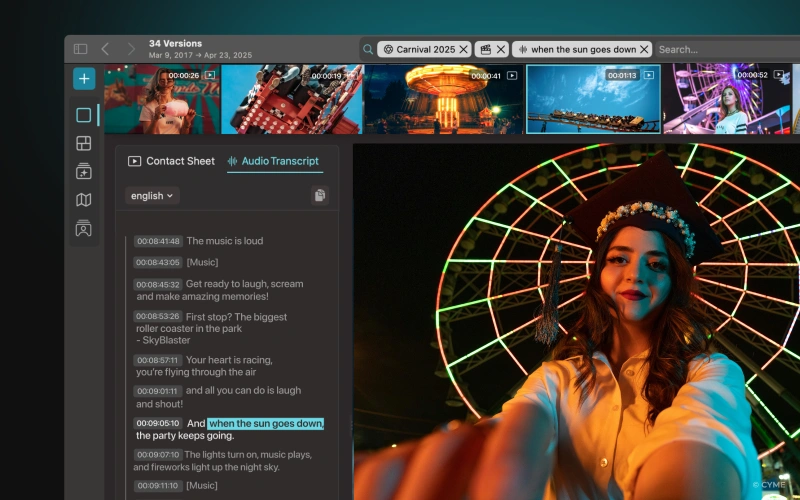
Transcripts and captions do more than improve accessibility. They also help systems understand what you actually covered, not just what you claimed in metadata. If your video answers a “how to” query, your spoken steps should be mirrored in captions and reinforced by on-screen labels.
Write scripts with “search-shaped” phrasing in mind. You do not need to repeat the keyword unnaturally, but you should say the problem and outcome in plain language. Viewers trust clarity, and systems benefit from consistent terminology. This is especially important for tutorial and troubleshooting content, where synonyms can confuse beginners.
Use on-screen text for key checkpoints. Viewers often watch without sound at first. On-screen labels also make clips easier to repurpose into short-form formats. That repurposing is not only distribution; it is reinforcement. Repeated, consistent phrasing across formats can strengthen your topical association.
Finally, audit your transcript for gaps. If your video promises a comparison, do you actually state the criteria aloud? If your video promises a setup, do you show the settings screen? Tight alignment here is one of the fastest ways to increase satisfaction and stabilize rankings.
If your channel depends on search, treat transcripts like production, not admin work.
Captions and transcripts reinforce what the video truly covered.
Say the problem and outcome clearly; do not hide the answer behind jargon.
On-screen checkpoints improve comprehension, clip reuse, and perceived clarity.
With strong metadata, you can now adapt your approach to how AI-driven discovery is changing search behavior.
Extend your strategy for AI search, GEO, and multi-surface video discovery
Adapt wording for conversational and voice-style queries
Conversational queries are longer, more specific, and often framed as questions. They also contain more context, which helps you target intent precisely. Build variants that start with “how do I,” “what should I,” and “is it worth,” but keep them grounded in a viewer situation.
For voice-style discovery, clarity beats cleverness. Use plain language in titles and in your first spoken lines. This is one reason tutorial content performs well: it maps cleanly to the user’s spoken request.
When you capture these variants, store them as “question forms” under the same cluster. Do not turn every question into a separate video. Instead, answer the most common ones as chapters or short segments inside a pillar. This keeps your library coherent and increases the chance that one video satisfies multiple similar queries.
Also note that viewers ask different questions depending on device context. Mobile users ask for quick outcomes. Desktop users tolerate more comparison depth. If you track those patterns, you will create better packaging and better pacing for each segment of your audience.
Conversational queries carry more context; use that to target intent precisely.
Store question variants inside clusters, not as isolated ideas.
Device context changes what “fast enough” feels like for the viewer.
Create answer-ready segments that AI systems can quote or summarize
AI surfaces increasingly favor content that contains clean, quotable answers. You can design for that without turning your videos into robotic Q and A. The trick is to build small segments that start with a direct answer, then show proof.
Use a repeatable segment pattern:
- State the question in the viewer’s words.
- Answer in one clear sentence.
- Show the proof or the steps.
- Close with a quick edge case or warning that prevents mistakes.
This makes your content more extractable across surfaces, including clips, summaries, and search features that prioritize direct responses. It also improves viewer satisfaction because you respect their time.
Do not over-optimize with keyword repetition. Overuse makes the delivery feel fake, and viewers notice. Instead, optimize structure. A clean structure is a better long-term moat than stuffing a keyword into every line.
When you combine this with clusters, you create a library of short “answer blocks” across your channel. Those blocks can be reused in shorts, newsletters, and community posts while keeping messaging consistent.
Direct-answer segments increase extractability and improve viewer trust.
Structure beats repetition for both humans and AI-driven discovery.
Reusable answer blocks make repurposing faster without diluting your message.
Plan multilingual variants and cross-platform reuse without fragmenting your topic
If you serve multiple markets, do not translate blindly. Localize the query. Different regions use different words for the same problem, and different platforms normalize different phrasing. Start by identifying your priority markets, then map their top query variants into the same cluster theme.
When you reuse content across platforms, keep the promise consistent but adapt the packaging. A short clip can carry the same promise as a long tutorial, but it must deliver one proof point fast. Use shorts and excerpts to validate which angles earn clicks, then feed the winners back into your long-form planning.
This is also where “quizzes tech” style content can help when appropriate. Quick interactive prompts in community posts can reveal what viewers are confused about, which then generates better long tails. You are not guessing what to build next; you are measuring curiosity.
Finally, keep one source of truth for your keyword list, regardless of platform. Fragmentation kills learning. A unified system lets you see patterns, reuse scripts, and increase output without sacrificing quality.
Localize queries, not just language, to keep intent aligned across regions.
Use short-form to test angles quickly, then scale winners into long-form.
One unified research list prevents fragmentation and speeds up iteration.
Now you need a practical way to verify that your keyword work is producing real search performance.
Validate results, connect queries to performance, and fix cannibalization
How to verify it works: connect query, click, and satisfaction
Validation starts with causality. You are not asking “did views go up,” but “did this query bring the right viewer, and did the video satisfy them?” That requires three checks: impressions from search surfaces, clicks from those impressions, and retention behavior once the viewer arrives.
When search impressions increase but clicks do not, your packaging is not aligned with the promise the query implies. When clicks are strong but retention collapses early, your opening seconds did not deliver what your title and thumbnail promised. When retention is solid but impressions are low, your topic may be too narrow, your metadata too vague, or your cluster too fragmented to build authority.
Also watch for “format mismatch.” A query that demands a tutorial will punish an opinion-first format. A query that demands comparison will punish a meandering explainer. If you see this pattern repeatedly, tighten your intent classification rules and enforce them during scripting.
Keep notes in your research sheet after every publish. These notes are what turn content into a learning system. Without them, you repeat the same mistakes and blame the algorithm instead of the mismatch.
Validate by linking query impressions, click behavior, and retention satisfaction.
Diagnose failure by where the funnel breaks: packaging or delivery.
Post-publish notes turn one upload into future performance gains.
Relate real search terms back to clusters and scripts
Your planned keywords are only hypotheses. The real value is in the actual terms that drove discovery after publication. Pull those terms regularly and map them back to your clusters. This tells you whether your channel is earning authority in the theme you intended.
When a video ranks for unexpected terms, do not ignore it. Treat it as market feedback. Ask what in the video triggered that association: a specific phrase you used, a segment you covered, or a demonstration you showed. Then decide whether to embrace it with a satellite video or to tighten your metadata to prevent drifting into an unhelpful audience.
This is where disciplined storage matters. If your clusters are documented, you can tag every real term quickly and see emerging themes. Over time, you will notice that some terms are “gateway” queries that bring in beginners, while others bring in decision-stage viewers. Both can be valuable, but they require different promises and different packaging.
Use that insight to shape your calendar. Build a balanced mix: some videos to expand reach and some to deepen trust and conversion. That is how video search becomes a predictable engine rather than occasional luck.
Planned keywords are hypotheses; real search terms are evidence.
Unexpected terms can reveal new satellites or expose metadata drift.
Cluster tagging turns analytics into a roadmap instead of a report.
Diagnose cannibalization and fix common problems fast
Cannibalization happens when multiple videos compete for the same promise. The viewer sees similar packaging and does not know which one to choose. Systems may also split impressions across them, slowing growth. Fix it by clarifying promises and tightening cluster roles.
Use the matrix below to troubleshoot quickly. Treat it like an operations checklist: find the symptom, apply the fix, then re-measure. When you review performance, call data into your spreadsheet so the pattern is visible over time and not trapped in your memory.
| Problem pattern | Likely cause | Fix you can implement |
|---|---|---|
| High search impressions, weak clicks | Title and thumbnails do not match intent or feel generic | Rewrite the promise as an outcome, simplify thumbnail to one idea, align with query phrasing |
| Strong clicks, early retention drop | Hook does not deliver the promised proof fast enough | Move proof earlier, remove long intro, show the result before explaining |
| Traffic comes from unrelated queries | Metadata too broad, cluster theme unclear | Narrow description and chapters, create a satellite for the unintended query or remove drift signals |
| Two videos stagnate on the same query | Overlapping promises and identical packaging | Differentiate by audience stage or constraint, or reposition one as a satellite and update its metadata |
| Good retention, low search discovery | Query not video-first or packaging lacks clear keyword concept | Target a more demonstrable query, strengthen title clarity, add chapter labels that match sub-queries |
Keep your fixes minimal and measurable. Change one thing at a time: title angle, thumbnail concept, opening structure, or chapter design. That is how you learn what actually increases performance without over-optimizing and losing your voice.
Cannibalization is a promise problem: clarify roles inside each cluster.
Fix performance by identifying where the funnel breaks, then changing one variable.
Minimal, controlled tests build a durable strategy instead of random tweaks.
At this point, you have a full workflow; the remaining value is in sharpening your judgment with practical answers to common questions.
FAQ: keyword research tips for video search
Which keywords should you prioritize for a new video channel?
Prioritize tutorial and problem-solving queries where viewers expect a demonstration, because smaller channels can win with clarity and proof. Choose one primary promise you can deliver with confidence, then build satellites around the same cluster. Avoid broad “head terms” that attract mixed intent and reward established channels with deep libraries.
How do you find long-tail keywords that generate views?
Start from real viewer constraints: device, budget, stage, and mistakes. Pull autosuggest variants, then read the results page to spot what is missing. Long tails that work tend to include a specific condition the mainstream results ignore. Build the video around that condition and show the proof on screen early.
Should you target one query per video or multiple queries?
Target one primary query per video, then support it with closely related sub-queries through chapters and structured segments. Multiple primary intents usually create a confused hook and a scattered payoff, which hurts satisfaction. A tight primary promise plus structured coverage is the safest way to satisfy both viewers and discovery systems.
How can a transcript help you rank better in video search?
A transcript helps because it reflects what you actually covered, not just what you claimed in metadata. When your spoken content includes the viewer’s problem, steps, criteria, and outcomes, systems can better match it to related queries. It also improves viewer comprehension and makes it easier to repurpose clips consistently across platforms.
How often should you refresh your keyword and cluster list?
Refresh it on a steady cadence tied to publishing, not to anxiety. Add new real search terms after each upload, and revisit clusters when you notice drift, repeated questions, or new competing formats in results. The goal is continuous alignment with your audience’s language, not endless rebuilding of the entire list.
What is the biggest risk when following keyword search tips too aggressively?
The biggest risk is promise inflation: titles and thumbnails that chase clicks while the video delivers something else. That creates short sessions, weak trust, and poor long-term performance. Protect yourself by writing one promise sentence before scripting, then ensuring the first moments deliver visible proof that the query is satisfied.
Video search vs web search: what changes in your approach?
Video search rewards demonstration, pacing, and proof, while web search often rewards depth of text. In video, the viewer decides quickly whether you are relevant, so packaging and the opening structure matter more. Treat keywords as a promise you must show, not just a phrase you must include, even when optimizing for search engines.
The final step is turning everything into a simple routine you can run repeatedly.
Priority actions to run every month for video keyword growth
A monthly workflow you can repeat without burnout
Run your process in a loop: collect real phrasing, classify intent, pick a proof-first format, then publish into an existing cluster. After publishing, capture real search terms and update the cluster brief with what you learned.
To keep it sustainable, limit the number of active clusters you work on at once. A smaller set of themes compounds faster than a scattered catalog. This is also how you keep your channel’s promise coherent for new viewers who discover you through one video and then decide whether to trust you with their next question.
If you work with a team, assign roles: one person owns research and mapping, one person owns scripting and proof planning, and one person owns packaging review. Even small teams benefit from this split because it reduces last-minute title changes that break intent alignment.
Over time, your best-performing clusters become predictable. That is when you can safely expand into adjacent topics marketing leadership cares about while protecting the core theme that drives discovery.
A simple loop beats complicated planning: collect, classify, cluster, publish, learn.
Fewer active clusters compound faster than scattered topics.
Clear roles improve packaging discipline and reduce intent-breaking changes.
Fast prioritization rules based on what your channel needs
Your goal determines your prioritization. If you need reach, prioritize broad-but-demonstrable pillar queries. If you need trust, prioritize satellites that answer objections and mistakes. If you need conversions, prioritize comparisons and reviews that help viewers decide.
Use these quick rules:
- Reach : choose the query with the clearest viewer language and the most repeated variants in autosuggest.
- Authority : choose the query that sits at the center of your cluster and can link to many satellites.
- Revenue : choose the query where the viewer is choosing between options and needs criteria.
Do not confuse “interesting” with “valuable.” Valuable queries are tied to action. They lead to setup, purchase, usage, or a solved problem. That is why tutorial and comparative intents are often the backbone of sustainable video search growth.
Prioritization depends on your goal: reach, authority, or conversion.
Choose action-oriented queries that lead to real outcomes, not vague curiosity.
Comparisons and tutorials often create the clearest value in video search.
A final checklist before publishing and a controlled test loop
Use a pre-publish checklist to prevent self-inflicted ranking problems. Then run controlled tests so learning compounds.
- Does the title state one outcome and match the viewer’s phrasing?
- Do thumbnails communicate one idea and imply proof?
- Does the opening deliver the promised proof fast?
- Do chapters map to sub-queries inside the cluster?
- Do descriptions add context and criteria without stuffing terms?
- Do captions reflect key steps, criteria, and outcomes clearly?
- Is this video a pillar or a satellite, and is that role obvious?
For testing, change one variable at a time: packaging angle, opening structure, or chapter framing. Keep notes. Over time, you will build a channel-specific playbook that outperforms generic advice because it is built on your audience behavior, not on assumptions.
A pre-publish checklist prevents avoidable intent and packaging mistakes.
Controlled tests build a channel-specific strategy you can trust.
Your competitive edge is consistent satisfaction, not keyword stuffing.
You now have a complete workflow: collect video-shaped queries, classify intent, choose a proof-first format, cluster themes, and optimize packaging and structure to satisfy search viewers. The fastest win is to start with one cluster, publish a clear pillar, and then ship satellites that answer objections and mistakes. When you validate performance at the query level, you stop guessing and start building a compounding content engine that grows with every upload.