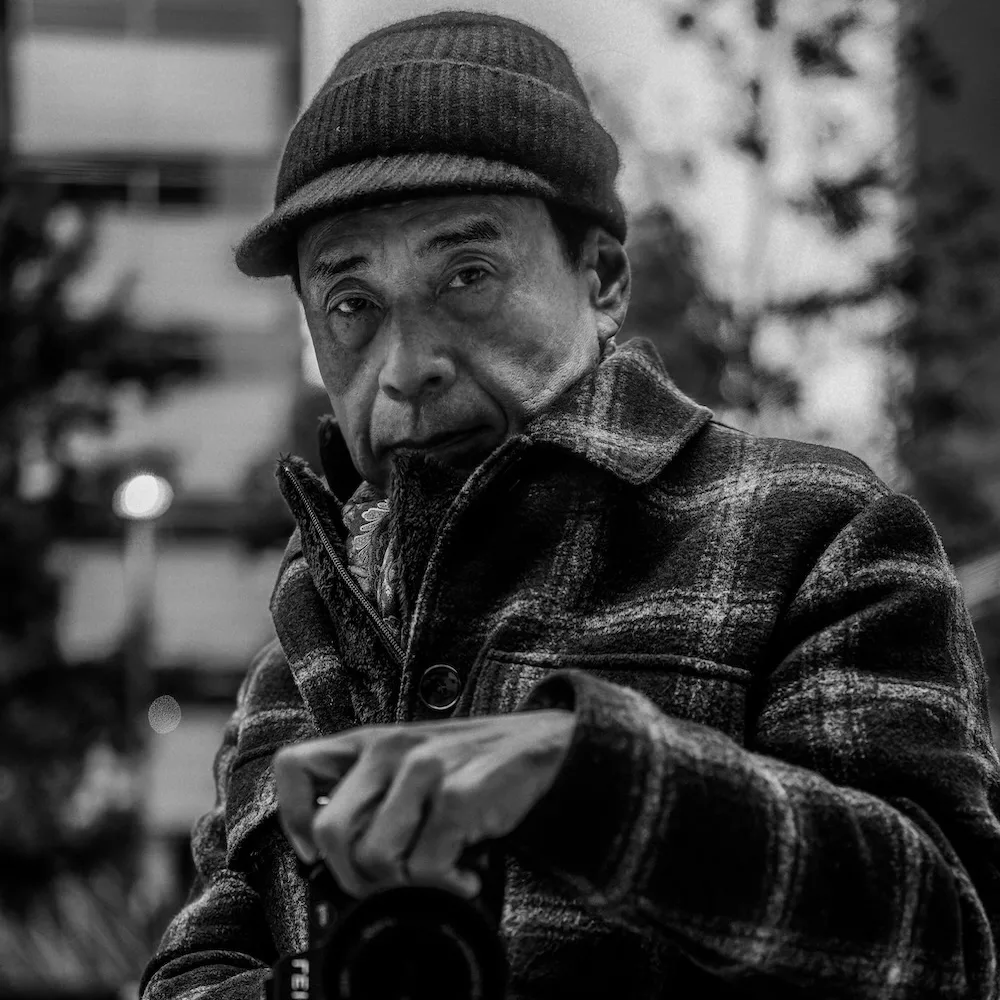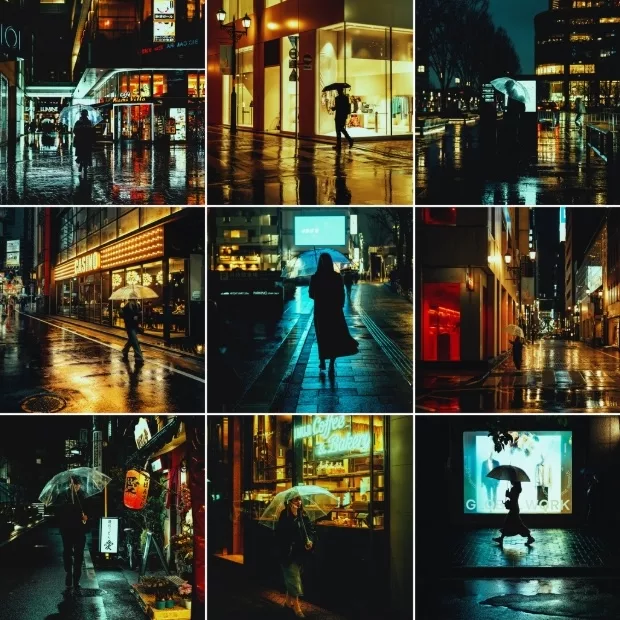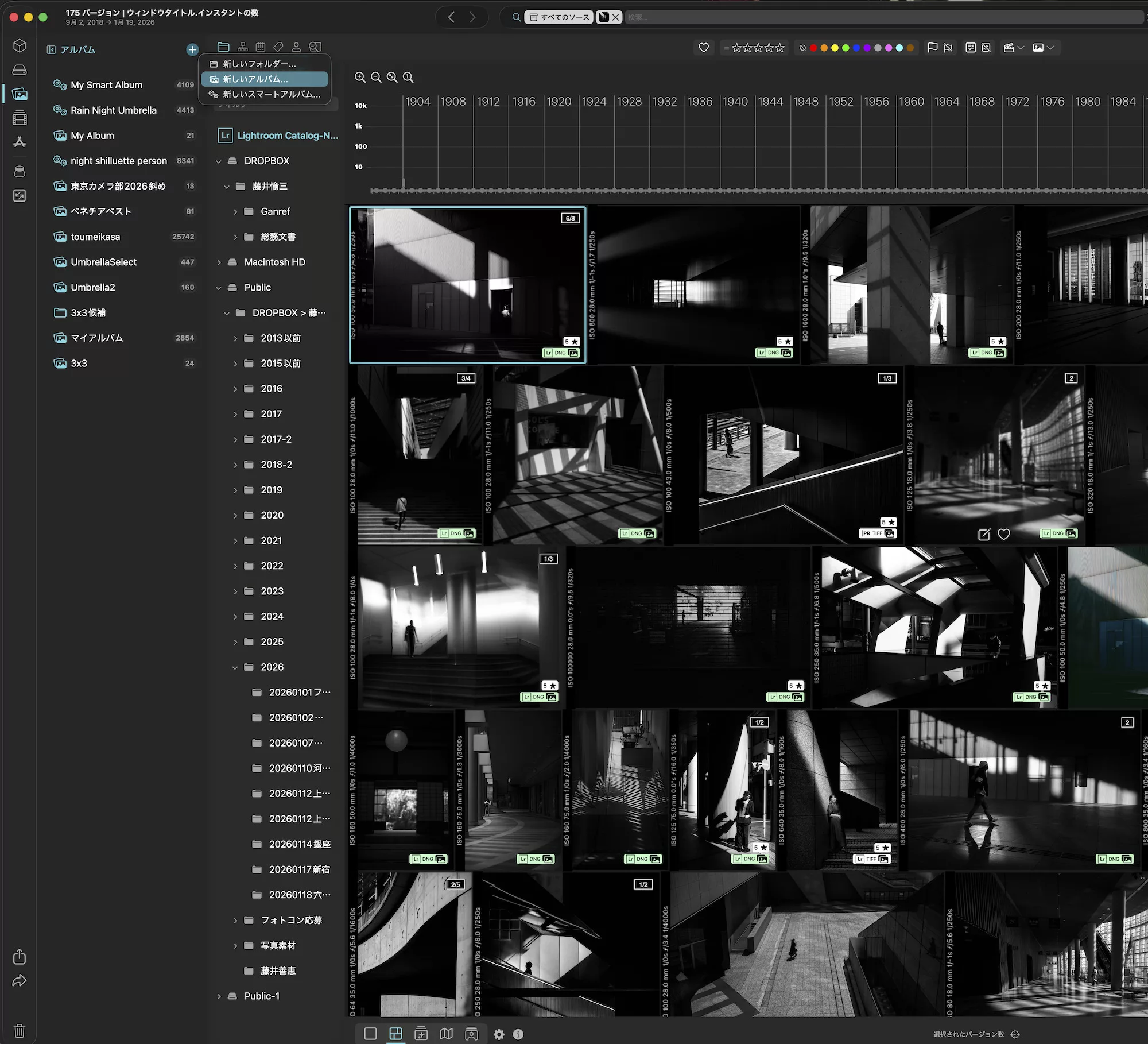

What a pleasure it is to discover such talented photographers among Peakto users. And what pride to see that Peakto helps them create their work. This is the case for Yuzo Fujii, an amateur street photographer who has received multiple awards, notably from the Tokyo Camera Club in the 3×3 category.
In this contest, photographers are not asked to produce a single photo, but a selection of nine images displayed in a 3×3 grid. As if they belonged to the same series, the images must respond to one another.
How do you win such a challenge when you are a street photographer, used to capturing the city through chance encounters? How do you find this dialogue between images when you own 8TB of photos stored on a NAS? This is the challenge Yuzo succeeded in overcoming, with the help of Peakto. He explained to us how he does it.
Meet Yuzo Fujii: Turning Ordinary Corners into Cinematic Scenes
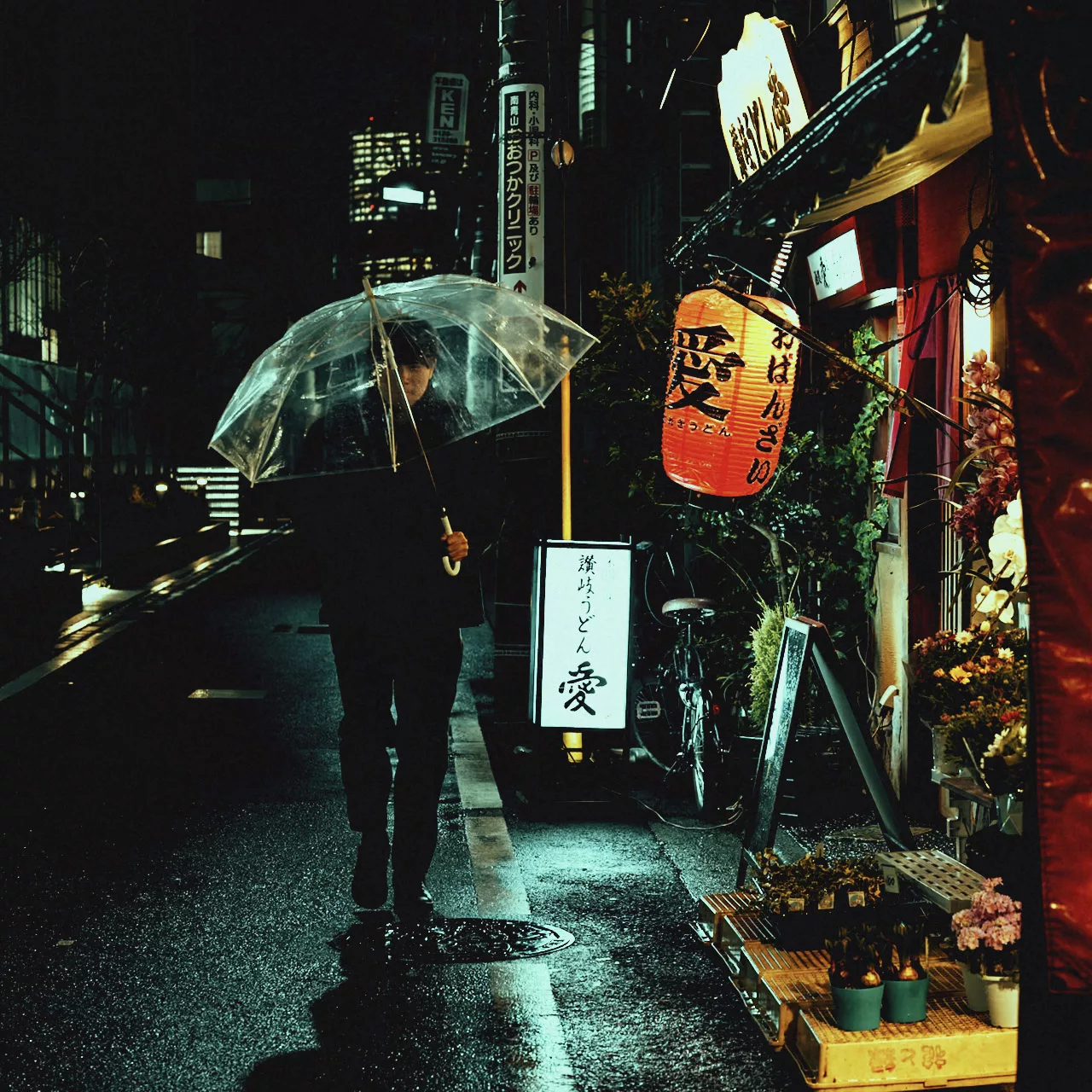
Yuzo Fujii is a Tokyo-based street photographer known for his cinematic images, where light, shadows, rainy reflections, and glowing shop windows become narrative material. His work often turns ordinary street corners into scenes that feel suspended in time—subtle, quiet, and emotionally charged. Frequently featured by the 1x community, Yuzo shoots with a highly deliberate approach built on patience, pre-focusing, and an acute sense of timing. He waits for the right alignment of shapes, gestures, and atmosphere, creating photographs that invite viewers to slow down and notice the hidden beauty of everyday city life.
The 3×3 Contest: Why It’s Harder Than It Looks
The challenge takes place inside the Tokyo Camera Club, Japan’s largest social-media photography community, gathering about 5.76 million followers and more than 77 million shared images. Each year, its exhibition at Shibuya Hikarie attracts over 20,000 visitors in just four days.
Among the different sections, one stands out: the 3×3 category. Here, photographers do not present a single photograph but a grid of nine square images — a format inspired by Instagram — meant to express a coherent visual universe.
The difficulty lies not in the rules, but in the balance. The subject is free, yet the images must work together. Because the final print is only about 15 inches wide, details disappear and only clear, readable scenes remain effective. And quality alone is not enough: Yuzo explains “Even if each individual photo is good, you won’t be selected unless there’s a synergistic effect created by combining all nine images.”
With hundreds of submissions competing for selection, success depends on something rare — not a great image, but a conversation between images.
How Peakto Helps Yuzo Build a Series
1. Gathering the Archive in One Place
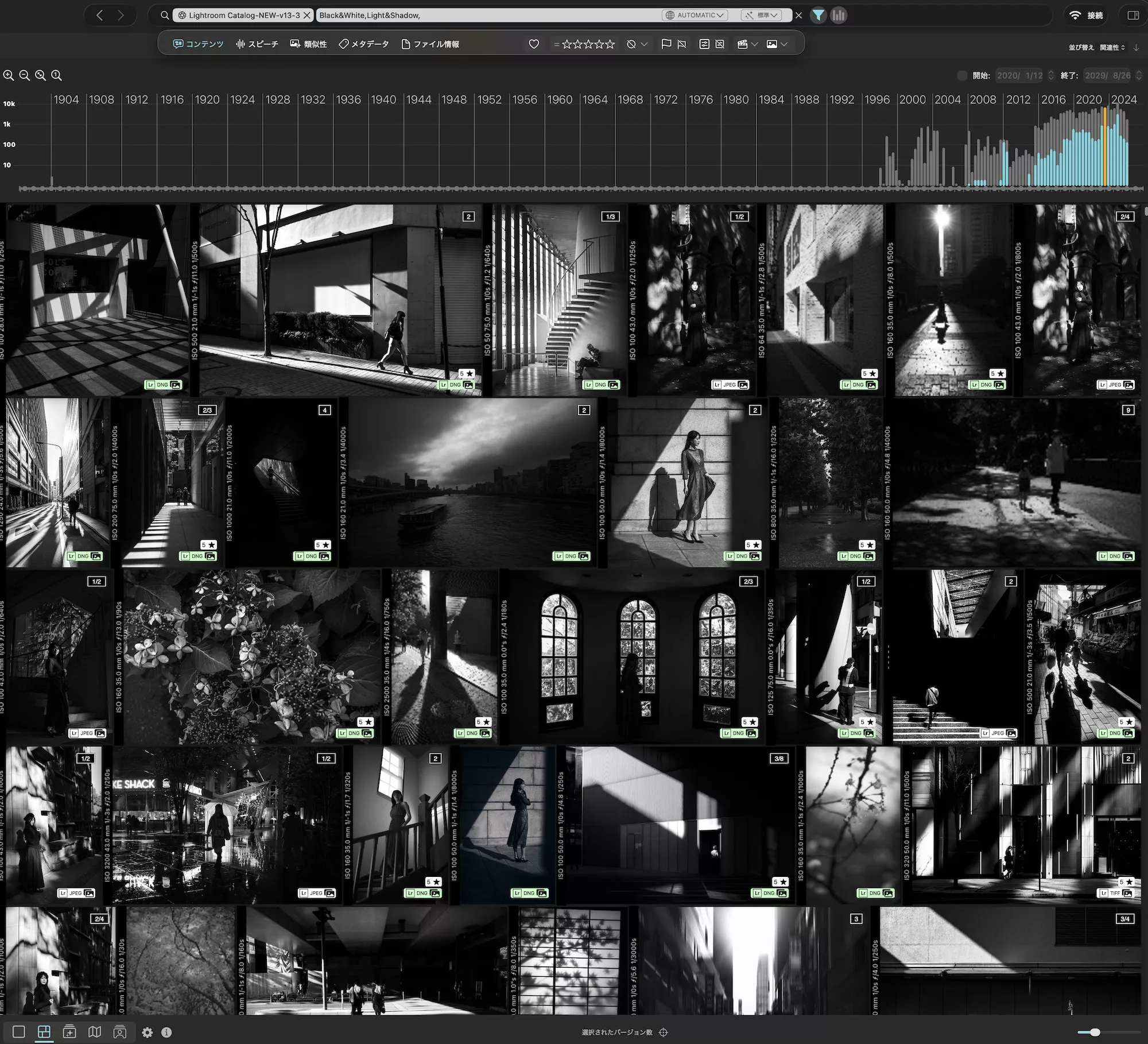
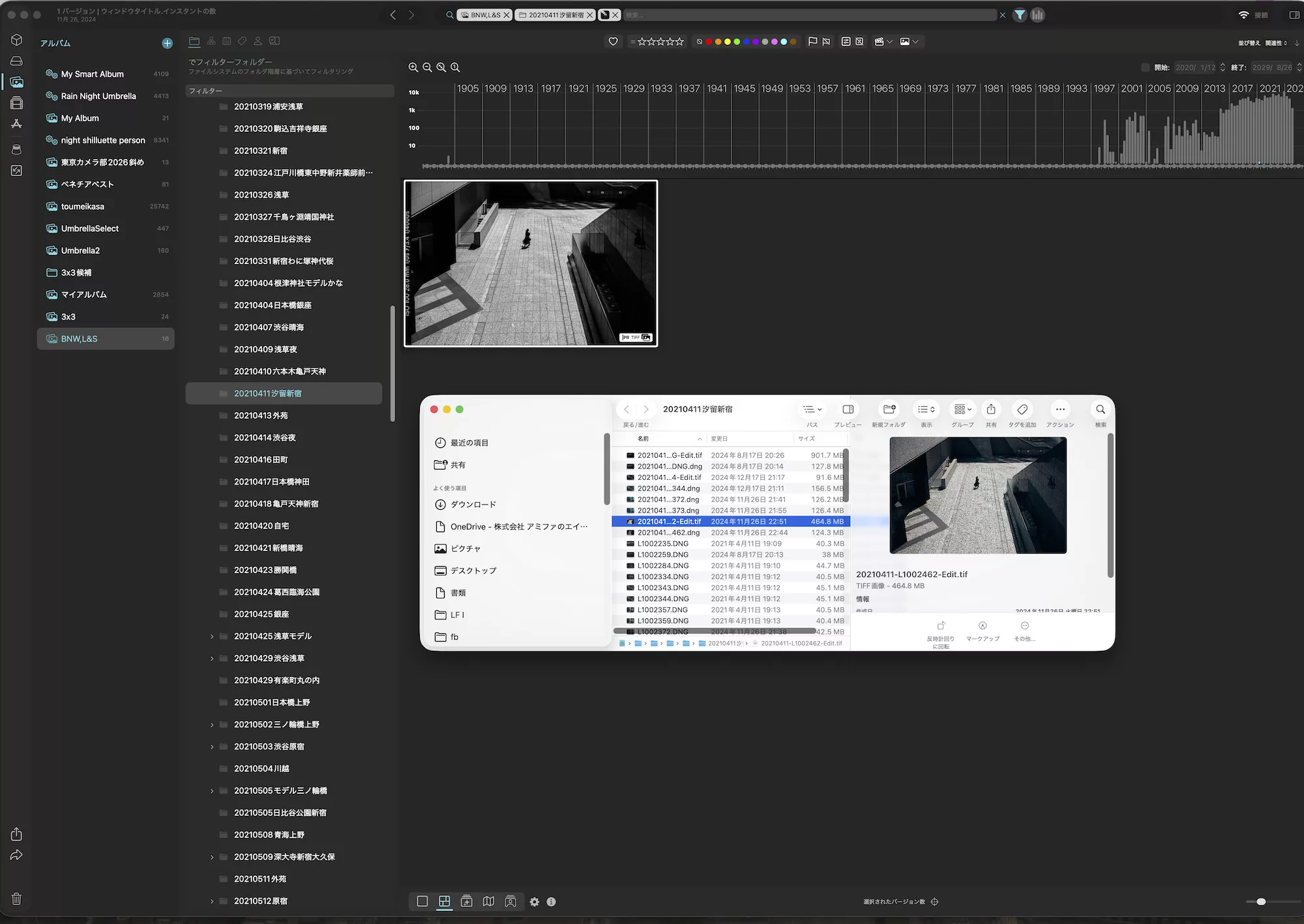
Yuzo has chosen to store his photos on a NAS—an archive that now totals more than 8TB. Peakto connects to that library as it is, without moving or duplicating files, and gives him a single interface to browse everything at once. Because Peakto’s AI analyzes the visual content of each image, Yuzo can search by description (prompt search), explore with search similar, or use face recognition search when he’s working with portraits.
The result: he can surface the right candidates quickly, even across years of shooting.
2. Starting From One Image
Once those candidates are within reach, the 3×3 process begins: with a single photograph, the one that sets the direction for the whole grid.
From that “pivot” image, Yuzo uses search similar to uncover variations that match the same mood, subject, or visual rhythm—until the series starts to click. Instead of relying on folders or dates, Yuzo explores visual relationships. His archive becomes navigable by meaning.
Peakto surfaces variations Yuzo wouldn’t think to look for — recurring shapes, isolated figures, and repeated atmospheres across months of shooting. The theme reveals itself progressively.
3. Finalizing the Nine Images
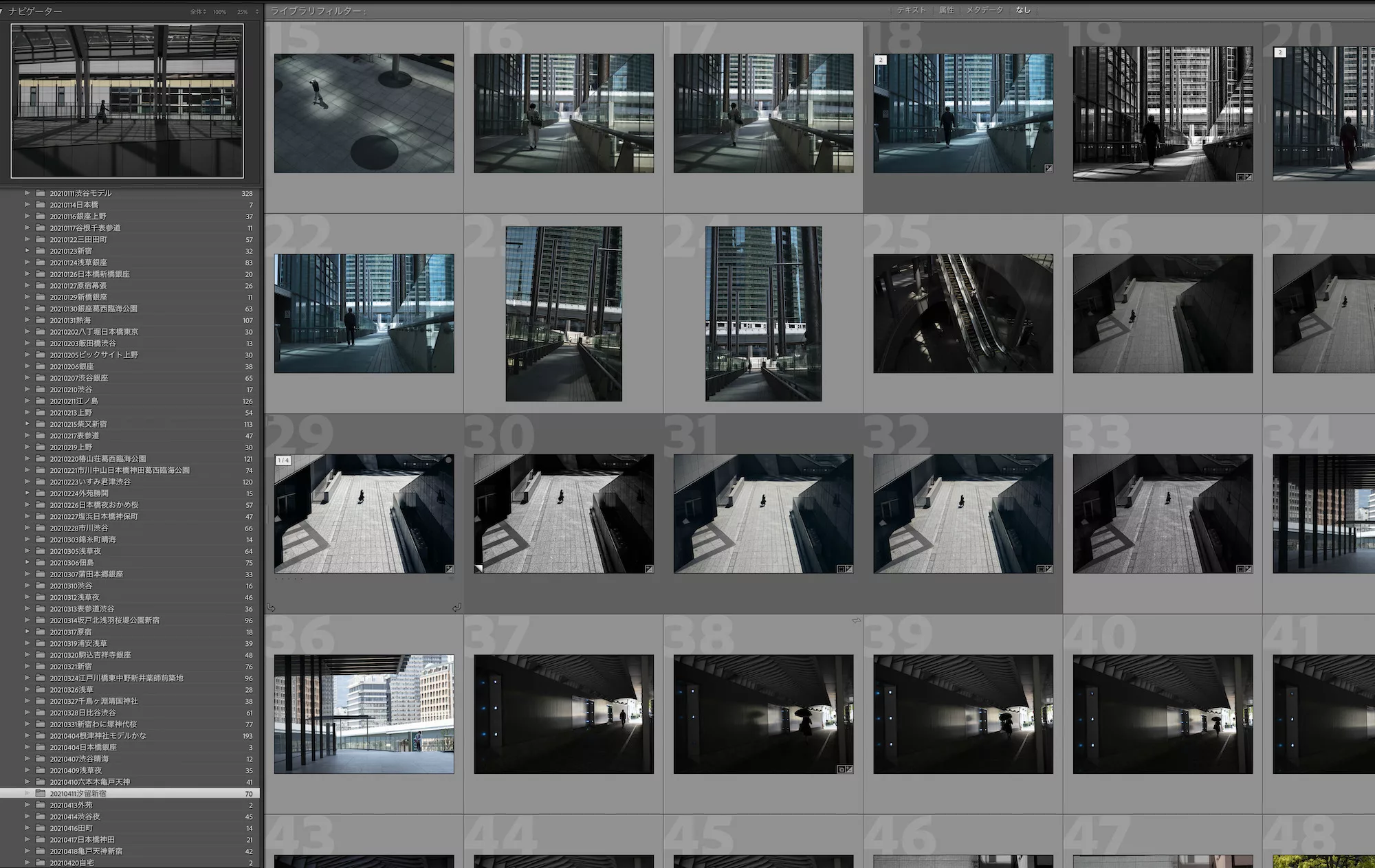
Once a shortlist emerges, Yuzo moves into Lightroom Classic to shape the final sequence and prepare the submission. His storage system remains intentionally simple: “Folder structure: date, place, and sometimes situation (night, rain, event, etc.).”
Peakto doesn’t replace editing—it comes before it. It turns the selection phase from basic sorting into a creative act: reading the archive, testing combinations, and choosing the nine images that truly work together.
What Peakto Changed in Yuzo’s Workflow
Instead of searching for files, Yuzo evaluates meaning. Instead of remembering where images are, he discovers what they form. In a format where success depends on relationships, that difference matters.
His advice for photographers who want to build strong selections—whether for a contest or Instagram—is less about software than about intention: “Try keyword sorting as much as you can. Try making your own context filters.”
Walking Tokyo with Street Photographer Yuzo Fujii
Curious to see more of Yuzo Fujii’s work? Walking Tokyo with street photographer Yuzo Fujii is our full interview on Shotvoice, where he shares the story behind his award-winning 3×3 series, his way of reading the city through chance encounters, and how he builds visual conversations across thousands of frames stored on his NAS.
You’ll discover his approach to themes like rain, night, umbrellas, and solitude—and see a curated selection of images that show Tokyo the way he sees it: subtle, graphic, and full of quiet tension. And if you enjoy his work, support him on Instagram and follow his latest street photography series.