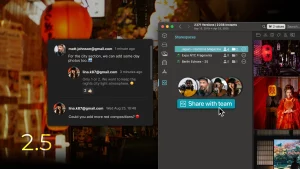


Tagging matters because video search systems cannot rely on visuals alone to understand intent, topic, and context at scale. Strong video tagging adds a clean semantic layer that helps platforms classify your content, connect it to queries, and avoid mismatches that reduce performance (impressions, clicks, and qualified watch time). It is not a substitute for titles, descriptions, and on-screen content—but it can enhance precision when it is consistent and specific.
If your organization manages large libraries, the practical goal is discoverability: making the right clip show up for the right audiences at the right moment, including inside a catalog or DAM. For that workflow, a video frame search feature can complement metadata by letting teams retrieve exact moments even when query phrasing varies.
Discoverability: what is at stake in video search
Internal platform search vs. external search engines
Video discovery happens in two main places:
Platform search and recommendations (for example, YouTube’s search bar, suggested videos, and browse surfaces) prioritize behavioral signals and user satisfaction. Text metadata still provides context, but it competes with signals such as click-through rate, watch time, and session continuation.
External search engines (such as Google video results) depend heavily on the “text layer” surrounding a video: the watch page, visible headings, structured data, and other metadata that provides meaning. Google’s own guidance for videos on your site emphasizes technical accessibility and clear metadata so search can find, index, and interpret the video. Video SEO Best Practices (Google Search Central)
Tags as a semantic signal (and why they still help)
Common misconceptions about tags
Misconception 1: “Tags are the main ranking factor.” They are not. On YouTube specifically, YouTube states that the video’s title, thumbnail, and description are more important, and that tags play a minimal role except in common misspellings. Add tags to your YouTube videos (YouTube Help)
Misconception 2: “More tags means more traffic.” Excessive or off-topic tags tend to dilute meaning and can reduce relevance. They can also create long-term analytics noise, making it harder to interpret which keywords actually correlate with qualified traffic.
Misconception 3: “Tags do not matter in 2026.” In 2026 (as of March 30, 2026), tags are best treated as a precision tool: they rarely rescue weak content, but they can improve classification, reduce ambiguity, and strengthen recall for edge cases (misspellings, acronyms, alternate names, and niche terms).
What video tagging is (and how it differs from titles, descriptions, and captions)
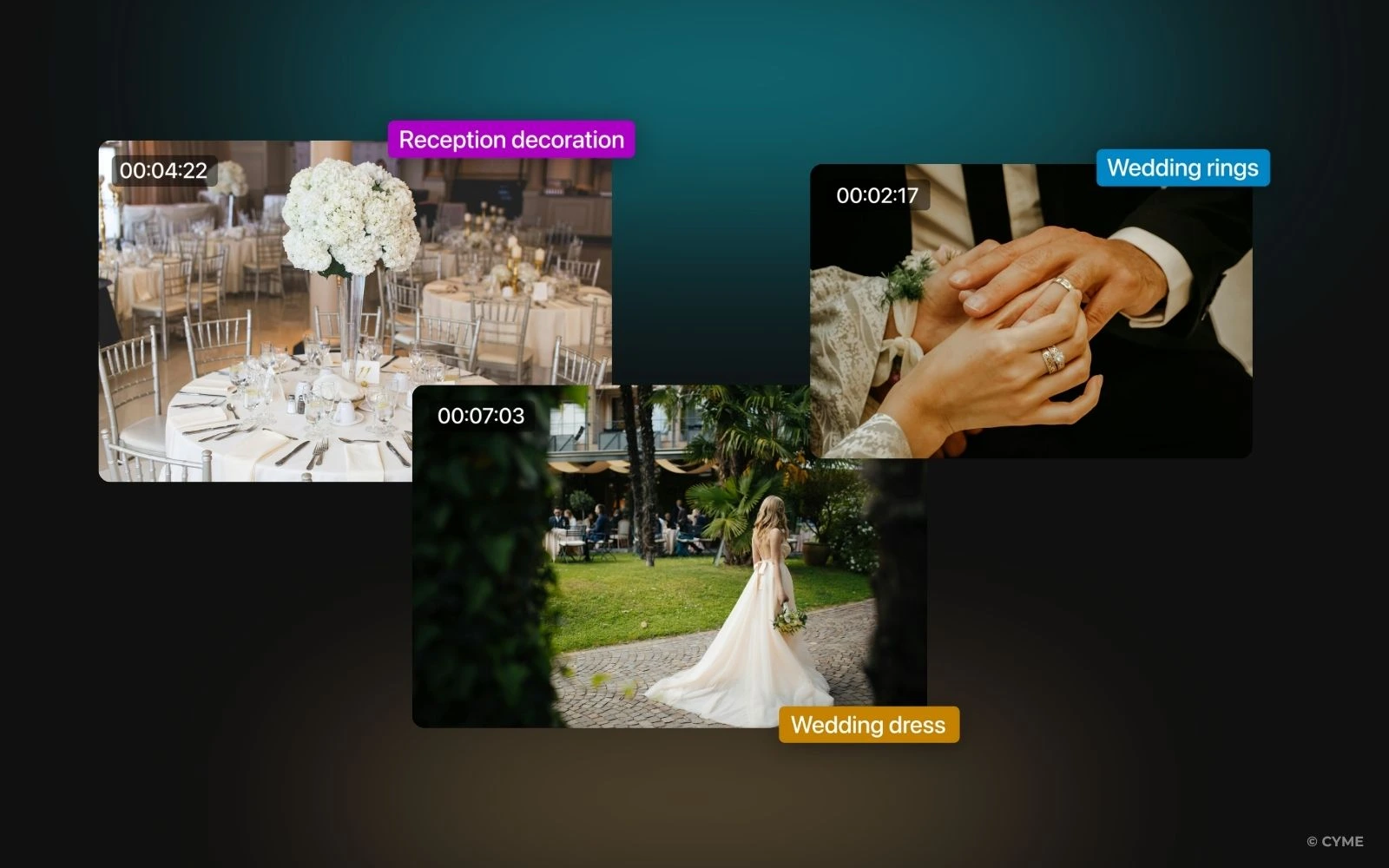
Definition of video tagging
Video tagging is the practice of attaching descriptive keywords and phrases to a video so platforms and search systems can better understand “what it is about” and “when it should appear.” In practice, tags should reflect the viewer’s query language (keywords), the topic entities (people, products, methods), and the intent (tutorial, review, troubleshooting, comparison).
Tags vs. titles vs. descriptions vs. captions
These elements play different roles in search optimization:
- Title: primary promise + primary keywords; strongest influence on click behavior.
- Description: context expansion, secondary keywords, and clarifying your content; supports relevance and user confidence.
- Captions/transcript: high-volume textual coverage of what is said; helps systems match long-tail queries and can improve accessibility.
- Tags: compact intent and entity hints; useful for synonyms, formatting variants, and controlled vocabulary across your content library.
Indexing, relevance, and recommendation: where tags actually fit
How text signals flow into video ranking decisions
Title Description Tags + keywords Semantic understanding entities • intent • topic language variants Ranking & matching query relevance candidate selection Visibility outcomes impressions • clicks watch time • traffic
For external search engines, also consider structured data on your watch pages: it provides explicit fields (name, description, thumbnail, uploadDate, and more) that helps indexing systems interpret what the video is and when it should appear. New resources for video SEO (Google Search Central Blog)
Methods that produce better tags (not just more tags)
Start from keyword research and intent, not guesswork
Tagging works best when your tags reflect real search behavior. Use keyword discovery to map:
Primary intent keywords (the “job to be done”), secondary clarifiers (platform, tool, industry, audience), and problem variants (synonyms, abbreviations, and misspellings). This is where use tags deliberately: each tag should earn its place by improving recall or precision.
When planning editorial updates, keep seasonal and organizational language in mind. For example, internal enablement content often spikes in January, and recurring initiatives (budgeting, onboarding, annual planning) create predictable January query patterns. Capturing those patterns in a controlled tag set can enhance long-tail traffic and reduce fragmentation across your content.
Combine broad, niche, and long-tail tags
High-quality tagging balances discovery breadth and relevance. A practical approach:
- Broad category tags to state the general subject area.
- Niche tags that anchor to a specific use case or vertical.
- Long-tail tags that mirror the exact phrasing a viewer might type.
This mix tends to enhance retrieval without turning your metadata into noise. It also improves internal reporting because you can group performance by “topic clusters” rather than one-off phrases.
Prioritize tags: first the meaning, then the variants
Even when platforms claim tags are a minimal factor, prioritization still matters for consistency and workflow. Use a simple hierarchy:
Primary tags = the core topic and intent; secondary tags = synonyms, abbreviations, common misspellings, and closely related entities; administrative tags (series name, internal taxonomy) = only if they support retrieval and reporting.
| Tag type | What it looks like | Best use case | Risk if misused |
|---|---|---|---|
| Core intent tags | “how to …”, “tutorial”, “fix …” | Match high-intent queries; align with what the video provides | Misalignment creates poor clicks and weak watch time |
| Entity tags | Product names, standards, roles | Improve precision for audiences searching specific tools, teams, or concepts | Tagging unrelated entities increases mismatch and hurts relevance |
| Synonym & variant tags | Alternative phrasing, acronyms, spelling variants | Reduce ambiguity; cover misspellings (explicitly recommended by YouTube) | Too many variants can dilute signal and complicate analytics |
| Series & taxonomy tags | “Q1 enablement”, “release-notes” | Support internal search, playlists, and reporting insights | Overuse creates a private tag cloud that does not help discovery |
| Competitive/adjacent tags | Competitor category terms | Only when your content legitimately compares or migrates between solutions | Perceived as irrelevant; can mislead and reduce trust |
Transition to measurement: once you have a repeatable tagging method, the next question is what it changes in real results and how to attribute improvement.
How tagging changes measurable search performance
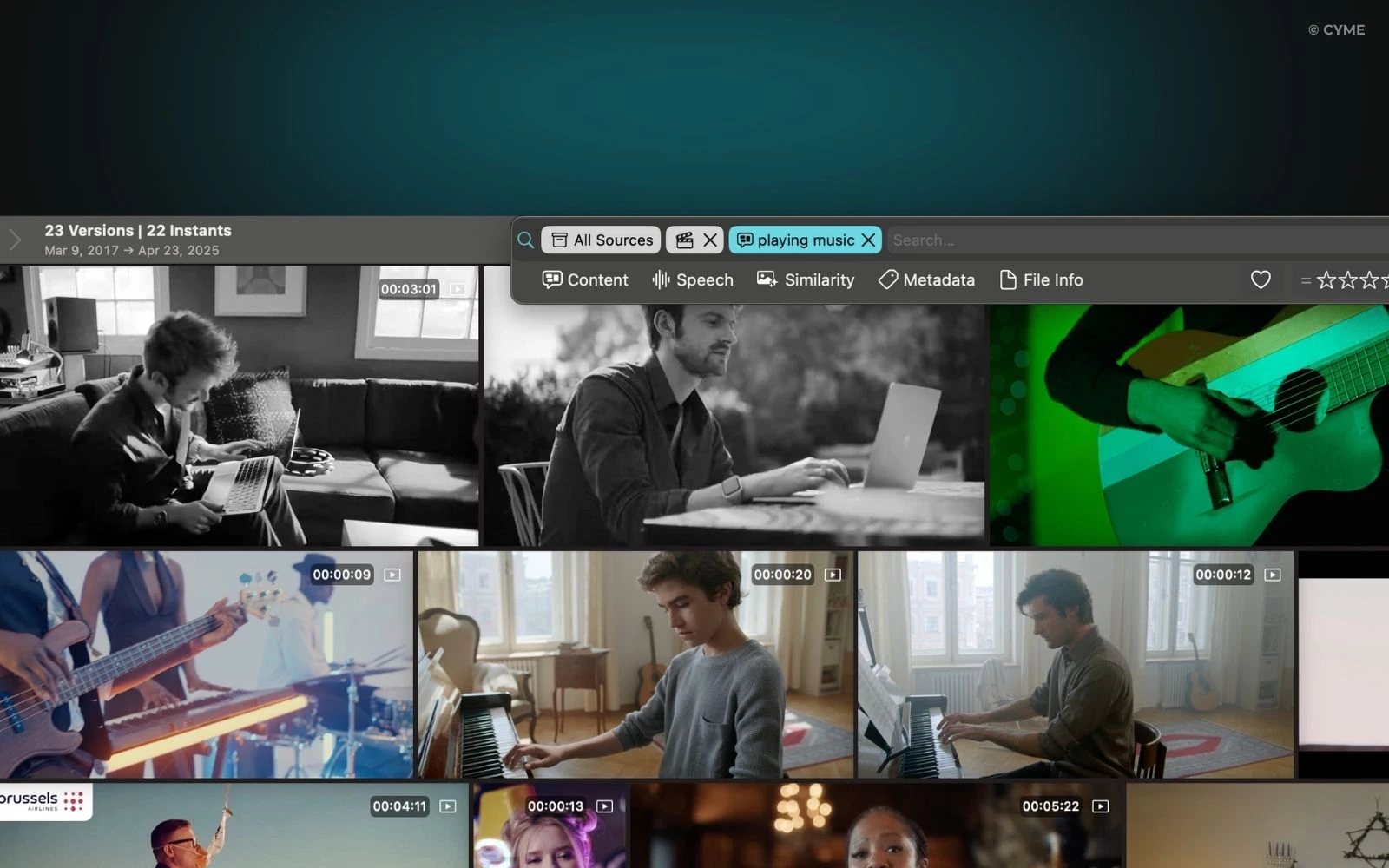
What you can influence: impressions, clicks, and watch time
Tagging influences performance indirectly by improving matching accuracy. When matching improves, you typically see:
More qualified impressions (you appear for better-aligned queries), better click-through rate (because the title/thumbnail align with the same intent), and stronger watch time (because viewers land on content that matches what they searched). That combination is what ultimately drives sustainable traffic, not tags in isolation.
What can go wrong: off-topic tags and over-optimization
Two issues appear frequently in audits:
Off-topic tags that chase competition keywords can put your video in the wrong neighborhood. The result is low satisfaction signals (short watch time, fast exits), which can reduce future distribution.
Over-optimization (too many repetitive tags) makes your metadata less informative. It also makes it harder to learn from analytics because your tag set no longer reflects distinct hypotheses.
A quality checklist you can apply before publishing
Use this short checklist to validate your tags. It is designed to be strict enough to improve consistency, but lightweight enough to use at scale:
- Relevance test: every tag must be defendable by a segment in the video or a clear promise in the title/description.
- Intent match: at least 2–3 tags should reflect the main “why” (problem, task, or decision).
- Entity coverage: include the key product/process/entity names viewers actually use.
- Variant coverage: add only the variants that matter (acronyms, common misspellings, alternate naming).
- No bait: remove tags added “just in case” if they do not describe your content.
Operational note: run a quarterly metadata review for fast-changing topics. Many teams align this with January planning cycles (for example, January enablement updates) so that tags, titles, and descriptions stay aligned with new query language and new product naming.
FAQ: YouTube tags
How many YouTube tags should you use without diluting meaning?
Should you copy competitors’ tags?
When and why should you update tags after publishing?
Update tags when you learn something new from real query data: new search terms in analytics, new naming conventions, or shifts in what your audiences ask. A common cadence is every 60–90 days for evergreen assets, and after major product updates. Many organizations schedule broader metadata refreshes in January because content roadmaps and messaging often change at the start of the year.
Best practices to make tags work with the rest of your metadata
Prioritize relevance, precision, and semantic consistency
Test, measure, and adjust using real queries
To improve performance over time, treat tags as hypotheses. Keep a simple log of changes (date, what changed, why), then observe whether impressions, CTR, and watch time move in the expected direction for the targeted queries. In multi-video libraries, the strongest insights usually come from comparing similar videos (same format, similar length, similar topic) where only metadata differs.
Action you can take today:
Pick one high-value video, tighten the tag set to a precise mix of intent + entities + variants, align the same language in the title and description, then review search queries and traffic changes over the next two to four weeks before repeating across your content library.